Charles Dumont
Pas d'échelle ? Pas de problème: Estimez l'âge de votre toit en toute sécurité
Roofs

Asphalt shingles are one of the most commonly used roofing materials in North America due to their affordability and durability...or so it used to be 20–30 years ago. However, despite their popularity, asphalt shingles can age and deteriorate relatively quickly depending on a variety of factors, including weather conditions, improper installation, and poor maintenance.
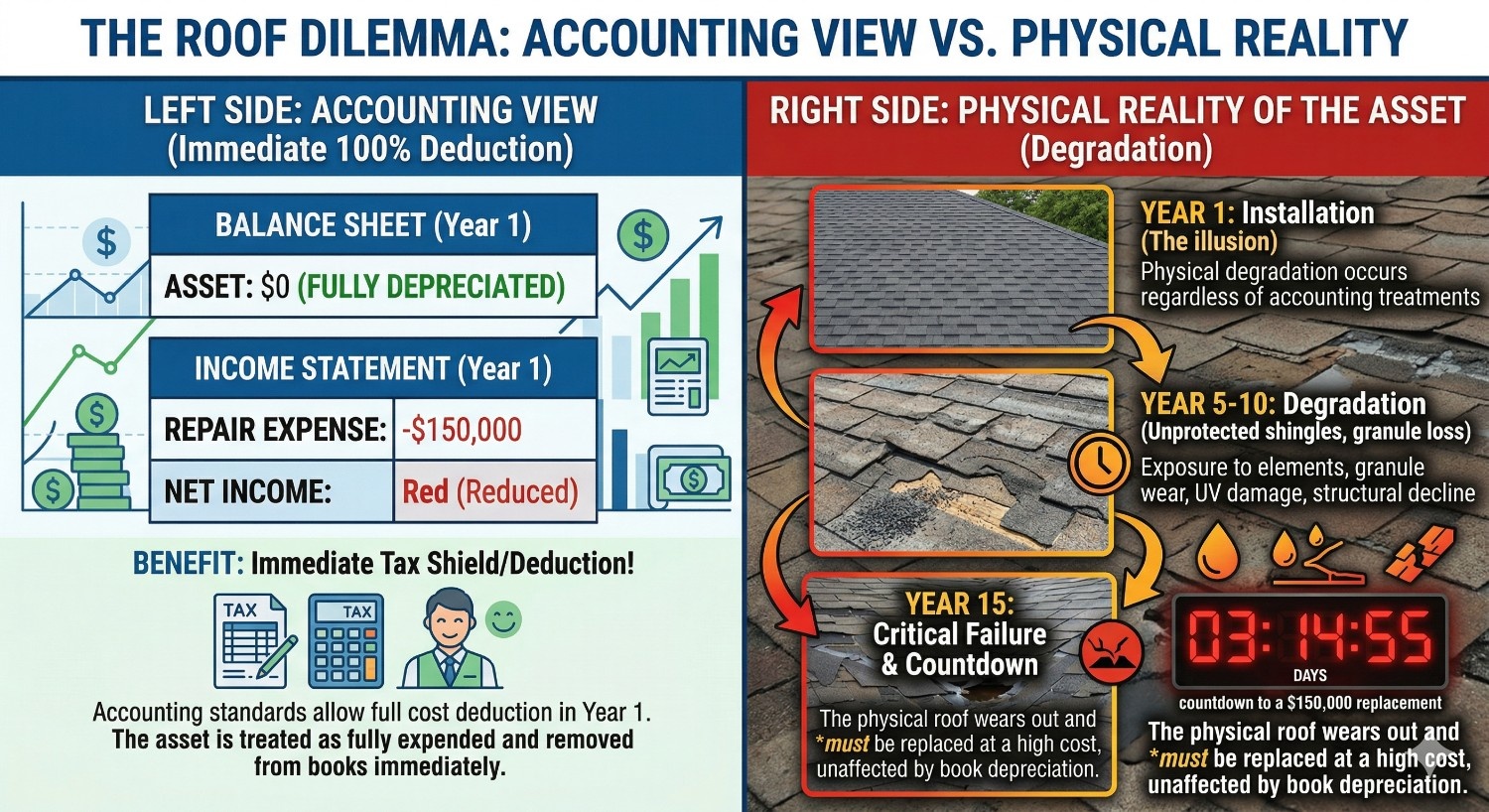
The average lifespan of asphalt shingles can vary greatly depending on the quality of the shingles, the installation process, and the local climate. In general, asphalt shingles last between 15–30 years, with higher-quality shingles lasting longer than lower-quality ones.
One of the primary reasons asphalt shingles deteriorate is constant exposure to the elements. Sunlight, rain, hail, snow, and wind all cause damage over time, leading to cracking, warping, and curling.
Extreme temperatures—both hot summers and freezing winters—cause shingles to expand and contract, further weakening the material.
Installation plays a major role in shingle performance. If shingles are not properly sealed, aligned, or securely attached to the roof deck, they become more prone to wind uplift, water intrusion, and premature failure.
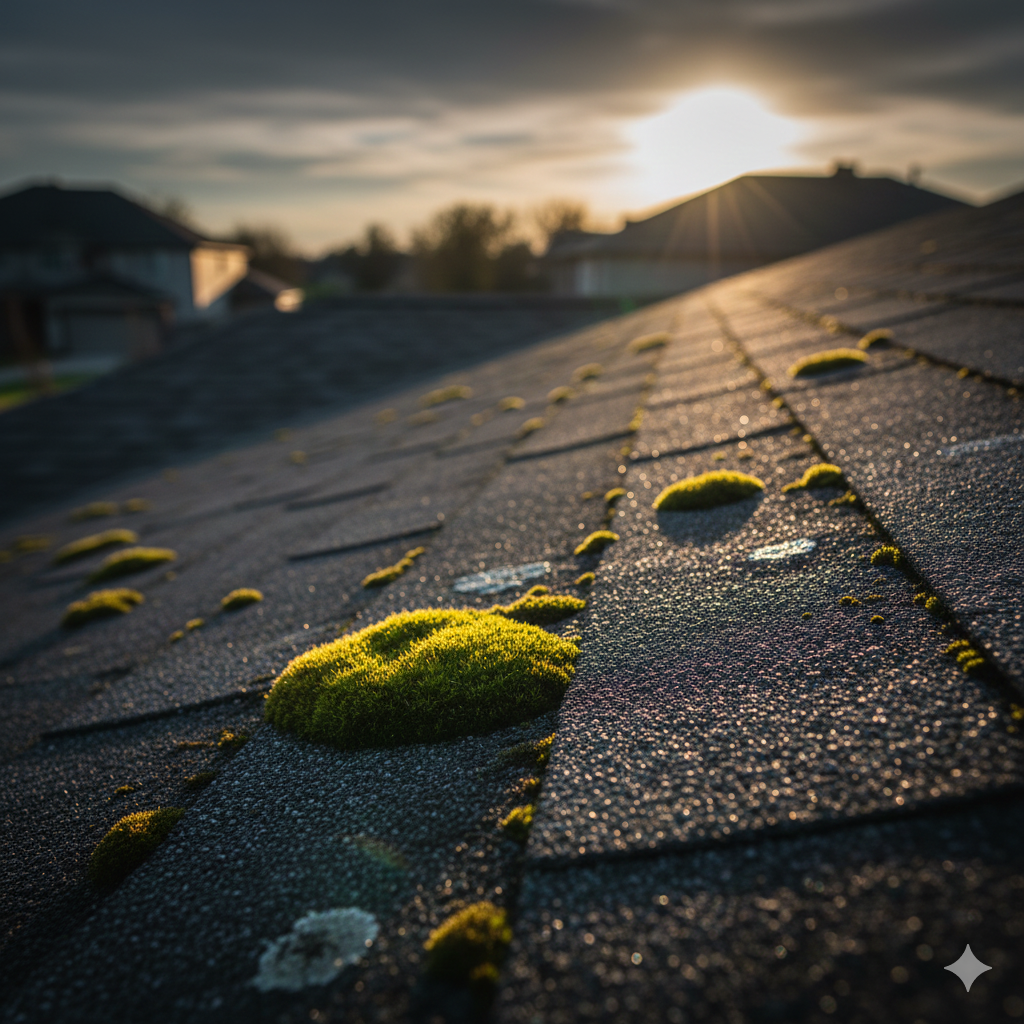
Poor maintenance is another contributor to early deterioration. Without regular inspections and cleaning, debris such as leaves, branches, and dirt can trap moisture on the shingle surface, leading to mold growth and water damage.
Clogged gutters can also cause water overflow, increasing the chance of shingle degradation.
Proactive maintenance—such as seasonal roof checks, gutter cleaning, and debris removal—helps identify issues early and prevents long-term damage.
Investing in high-quality shingles and hiring a reputable roofing contractor ensures proper installation and better long-term performance.
While asphalt shingles remain popular and cost-effective, their longevity depends heavily on maintenance, installation quality, and weather conditions. By taking a proactive approach and working with trusted roofing professionals, homeowners can extend the life of their roof and protect their investment.
Another major factor is shingle quality from today’s manufacturers—but we’ll cover that in a future article!


.webp)


Demandez un devis pour l'application de notre technologie GoNano aujourd'hui
Obtenez Un Devis
Asphalt shingles are one of the most commonly used roofing materials in North America due to their affordability and durability...or so it used to be 20–30 years ago. However, despite their popularity, asphalt shingles can age and deteriorate relatively quickly depending on a variety of factors, including weather conditions, improper installation, and poor maintenance.
The average lifespan of asphalt shingles can vary greatly depending on the quality of the shingles, the installation process, and the local climate. In general, asphalt shingles last between 15–30 years, with higher-quality shingles lasting longer than lower-quality ones.
One of the primary reasons asphalt shingles deteriorate is constant exposure to the elements. Sunlight, rain, hail, snow, and wind all cause damage over time, leading to cracking, warping, and curling.
Extreme temperatures—both hot summers and freezing winters—cause shingles to expand and contract, further weakening the material.
Installation plays a major role in shingle performance. If shingles are not properly sealed, aligned, or securely attached to the roof deck, they become more prone to wind uplift, water intrusion, and premature failure.
Poor maintenance is another contributor to early deterioration. Without regular inspections and cleaning, debris such as leaves, branches, and dirt can trap moisture on the shingle surface, leading to mold growth and water damage.
Clogged gutters can also cause water overflow, increasing the chance of shingle degradation.
Proactive maintenance—such as seasonal roof checks, gutter cleaning, and debris removal—helps identify issues early and prevents long-term damage.
Investing in high-quality shingles and hiring a reputable roofing contractor ensures proper installation and better long-term performance.
While asphalt shingles remain popular and cost-effective, their longevity depends heavily on maintenance, installation quality, and weather conditions. By taking a proactive approach and working with trusted roofing professionals, homeowners can extend the life of their roof and protect their investment.
Another major factor is shingle quality from today’s manufacturers—but we’ll cover that in a future article!