
⸻ Comparison Guide

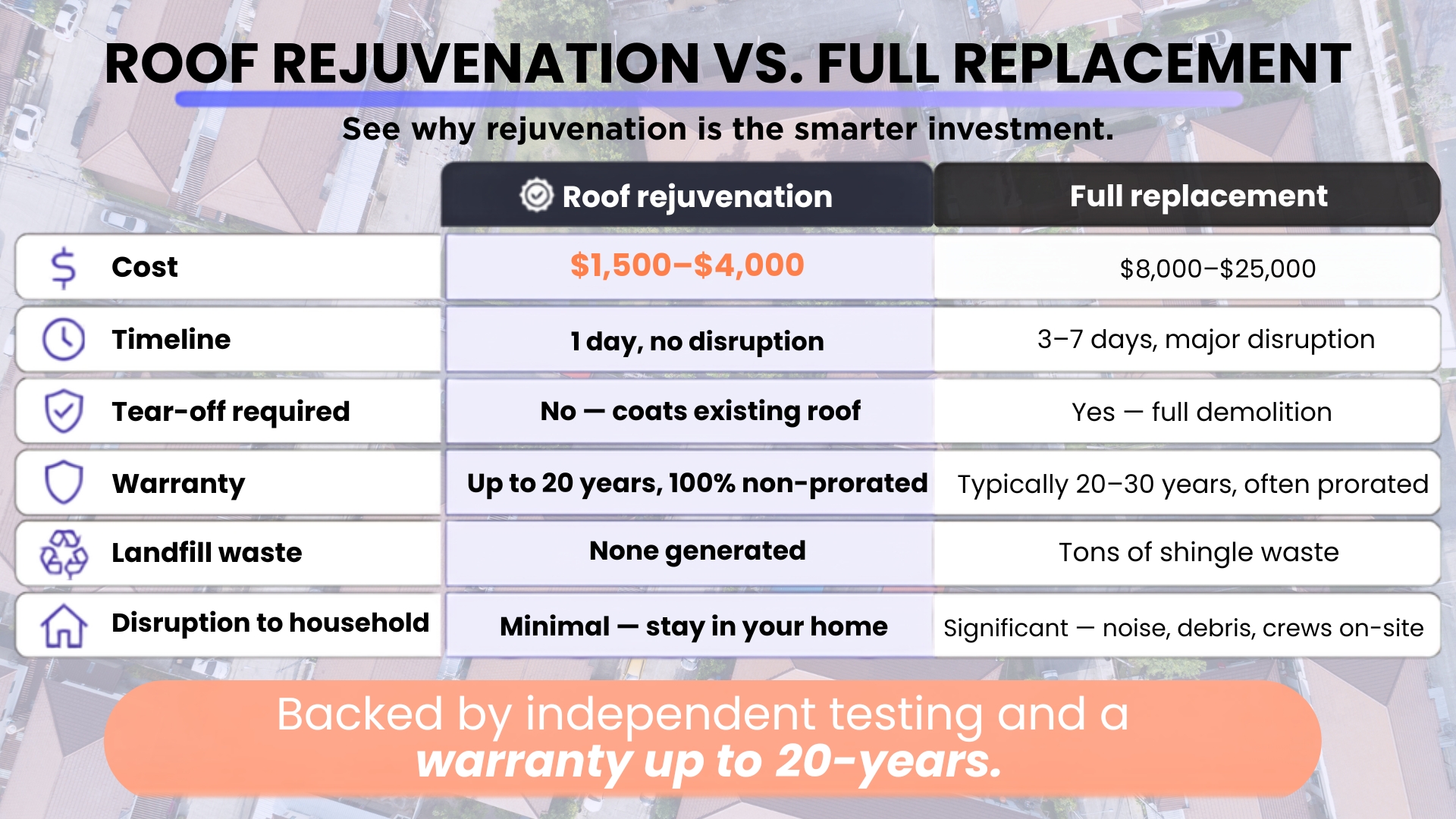
For an aging but structurally sound asphalt roof, you have three real options: a surface coating, Structural Roof Rejuvenation, or a full replacement. Rejuvenation usually wins. It restores the shingle from within, unlike a coating that sits on top and can trap moisture, and it costs a fraction of a replacement. Here's how the three compare on cost, lifespan, and protection.
Before the detail, the short version:
A roof coating or sealant is a liquid film rolled or sprayed over the shingles. People search for "shingle coating" because it sounds like a cheap way to extend a roof, and upfront it is inexpensive.
The problem is what a surface film does to an asphalt shingle roof. A coating sits on top of the shingle rather than restoring it, and because it seals the surface it can trap moisture inside the roof system. Trapped moisture is exactly what leads to mold, rot, and faster deterioration, so a coating can shorten the life of the very roof it was meant to protect. Coatings also tend to be short-term: they wear and need redoing. For most aging asphalt shingle roofs, a surface coating treats the symptom (a tired-looking surface) without fixing the cause (shingles that have dried out and lost their oils).
This is the key distinction, and it's why GoNano is not a coating. Structural Roof Rejuvenation is a nano-penetrating treatment that works into the shingle rather than sitting on top of it. It replenishes the oils that asphalt shingles lose as they age and adds nano-penetrating reinforcement that bonds with the shingle at the molecular level, restoring flexibility and weather resistance from within. Because it penetrates instead of sealing the surface, it doesn't trap moisture the way a coating can.
A GoNano treatment, done in one visit, is warrantied up to 20 years for two-coat Fortify (up to 15 years single-coat), 100% non-prorated on two-coat systems, and transferable to the next homeowner when installed by a Certified GoNano Contractor. It's backed by more than $1 million in independent testing, including UL 2218 Class 4 (impact), ASTM D3161 Class F (wind, rated to 110 mph), and UL 790 Class A (fire), plus a Green Center (now Impact Chemistry) result in which a 15-year-old roof treated with NuRoof Revive outperformed a roof with brand-new shingles. For an aging-but-sound roof, this is the option that actually restores the shingle, at a fraction of replacement cost.
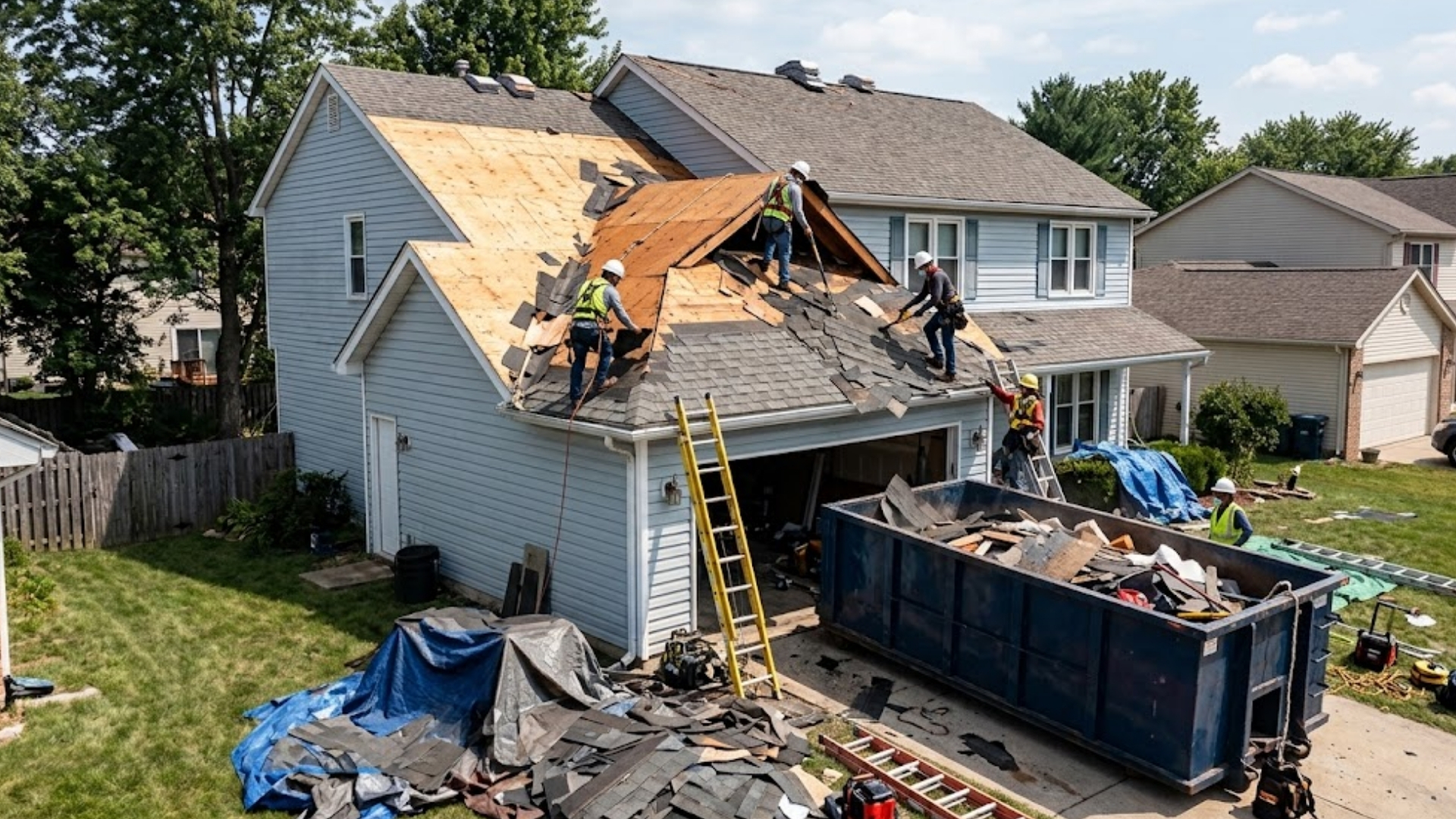
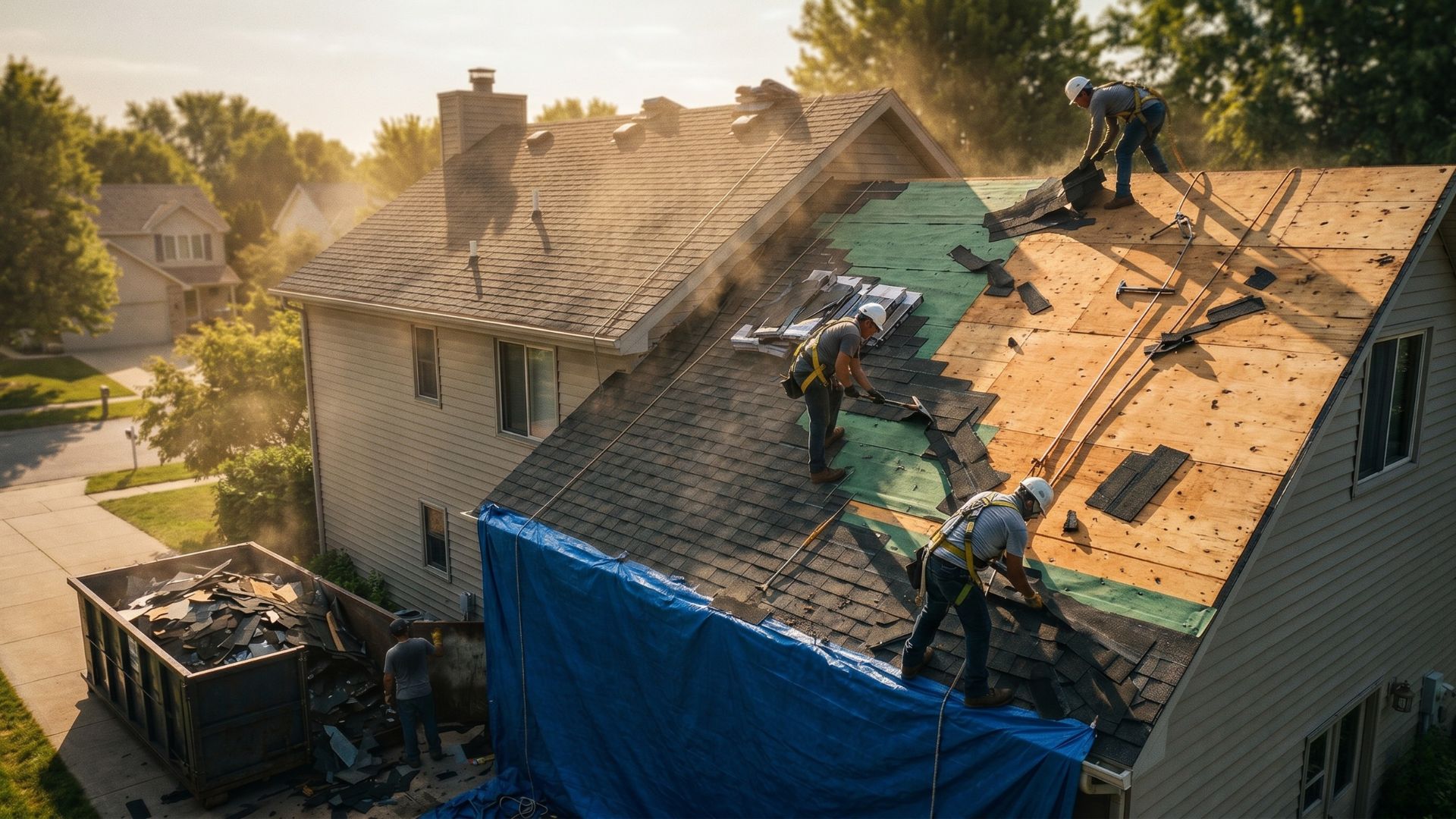
Sometimes a roof is genuinely done, actively leaking, structurally failed, or at the end of its life, and replacement is the right call. But a full tear-off is the most expensive option by far (often $8,000 to $25,000+), and it's the most wasteful: a single re-roof sends 1 to 3 tons of shingle debris to the landfill. For a roof that's aging but still structurally sound, replacement usually means paying ten to twenty times the cost of restoration to solve a problem restoration could have solved.
Line the three up and the pattern is clear. A coating is cheap but sits on top and can trap moisture. Replacement works but is expensive and wasteful. Rejuvenation lands in between on cost and ahead of both on value: it restores the shingle itself, carries a non-prorated transferable warranty, is independently tested, and keeps your existing roof out of the landfill. It's the only one of the three that fixes the actual cause of an aging roof without tearing it off or filming over it.
A Certified GoNano Contractor can assess which category your roof falls into.
"Roof coating" is the search people type, but a coating is usually the wrong answer for an asphalt shingle roof: it sits on top and can trap moisture. For an aging-but-sound roof, Structural Roof Rejuvenation restores the shingle from within for a fraction of replacement cost, with a non-prorated, transferable warranty behind it.
Find a Certified GoNano Contractor near you to see which option fits your roof.
A full tear-off is one of the most expensive and wasteful choices a homeowner can make, so it’s worth knowing the numbers before you commit. The guides below break down what a replacement really costs in 2026, how restoration compares on price and lifespan, and how to get more years out of the roof you already have.

No. A coating sits on top of the shingle as a surface film, while Structural Roof Rejuvenation penetrates into the shingle and restores it from within. That difference is why rejuvenation doesn't trap moisture the way a coating can.
It can. Because a coating seals the surface, it can trap moisture inside the roof system, and trapped moisture is what leads to mold, rot, and faster deterioration. A penetrating treatment avoids this by not filming over the shingle.
For an aging-but-sound asphalt roof, rejuvenation is generally better: it restores the shingle, carries a long non-prorated warranty, and doesn't risk trapping moisture the way a surface coating can.
A coating is cheapest upfront but short-term; replacement is the most expensive (often $8,000 to $25,000+); Structural Roof Rejuvenation sits in between and costs a fraction of replacement while carrying a warranty up to 20 years.
For a roof that's aging but structurally sound, yes, it restores performance and extends life. A roof that's actively leaking or structurally failed needs repair or replacement instead.
You can apply one, but it sits on top and can trap moisture, which may shorten the roof's life. A penetrating rejuvenation treatment is usually the better way to extend an asphalt shingle roof.
Two-coat GoNano Fortify, applied in one visit, is warrantied up to 20 years (up to 15 years single-coat), non-prorated and transferable. Surface coatings are typically short-term and need reapplying.
Yes, significantly. It's a fraction of an $8,000 to $25,000+ replacement, which is why it's the better value for a sound-but-aging roof.
Rejuvenation. It restores your existing roof and sends nothing to the landfill, while a replacement sends 1 to 3 tons of shingle waste to the dump.
A Certified GoNano Contractor assesses whether your roof is aging-but-sound (a candidate for rejuvenation), nearly new (a candidate to strengthen), or failed (needs replacement).
1209 Orange Street, Wilmington,
Delaware, 19801, United States